 Skip to main content

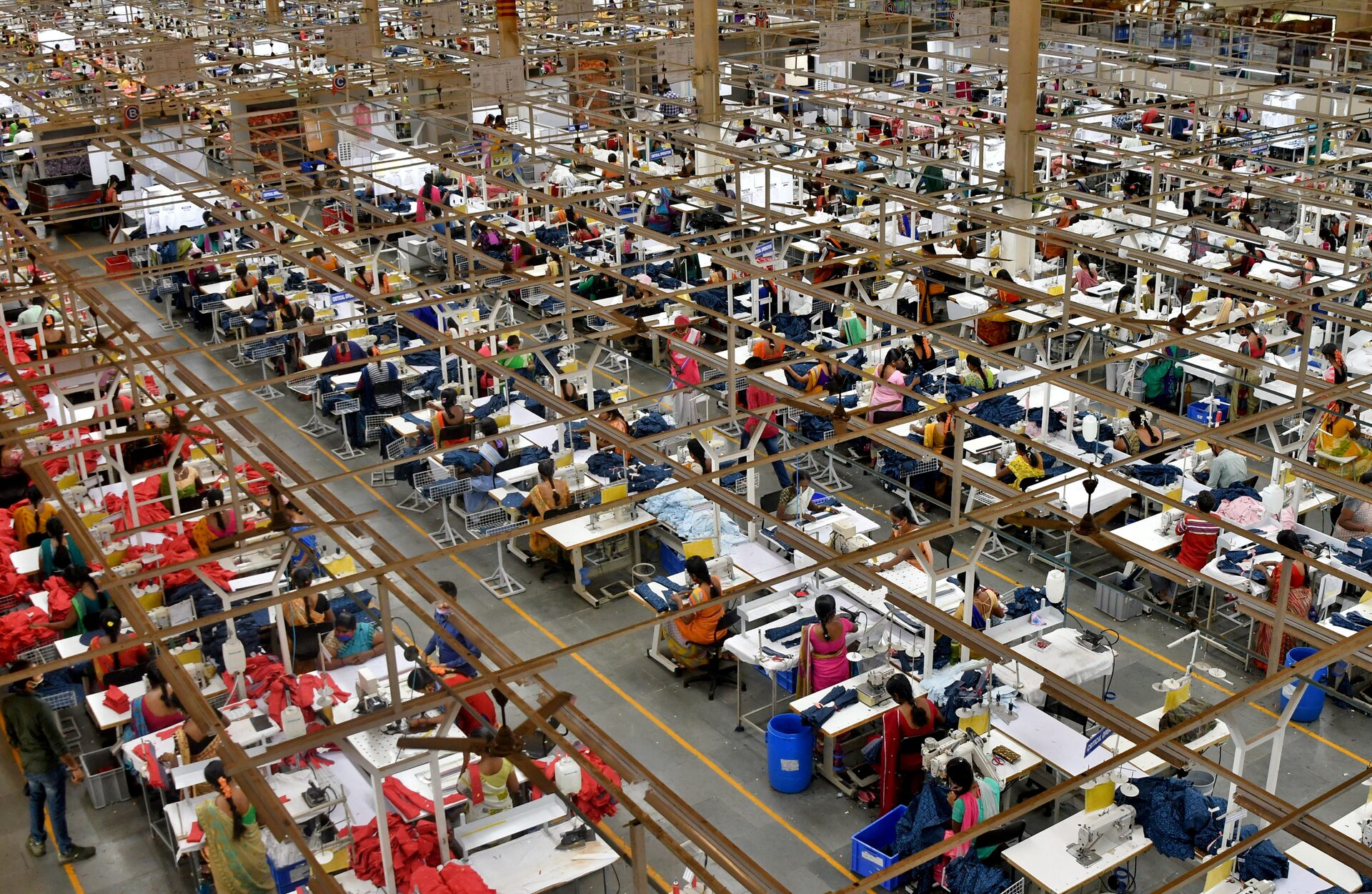

Comparing apparel production in China, India, Vietnam and Bangladesh starts with the garment specification, not a national wage ranking. Two factories in the same country can quote very different scopes, quantities and production routes.
For a mid- to high-end womenswear collection, use the same fabric brief, construction details, size breakdown and required delivery date in every enquiry. This guide provides a comparison method; it does not rank countries by current export totals, wages or tariff rates.
China: Define the Production Arrangement
When reviewing a Chinese supplier, identify the sampling location, bulk facility and any specialist processing arrangements. Ask how the fabric and trims will be approved and how changes will reach the production team.
For a TUER enquiry, main womenswear production is based in Guangzhou, with additional capacity in Ganzhou. TUER is one of the shareholders in a specialist denim factory in Foshan and a specialist knitwear factory in Dongguan. Confirm the route for your category and order.
A useful quotation records what is included and who is responsible for each stage. Read our Guangzhou manufacturing guide for the questions to ask.

India: Verify the Proposed Material and Process
When comparing a supplier in India, request the actual fabric reference and a sample using the intended construction. If the design includes printing, embroidery or handwork, clarify which facility performs it and how the approved appearance will be repeated in bulk.
Ask about material minimums, colour availability, sample revision time and the effect of embellishment on care and inspection requirements. Apply the same questions to suppliers elsewhere; a country’s reputation for a material is not proof that a particular factory suits your order.
Record unavailable or substituted materials as open decisions. Do not compare an alternative fabric against the original specification without identifying the difference.
Vietnam: Check Material Readiness and Scheduling
For a supplier in Vietnam, establish whether the quotation assumes available fabric, newly produced fabric or materials supplied by you. Ask for the production start conditions and the schedule once approvals are complete.
If materials must travel between facilities or countries, ask the supplier to show those stages in the plan. Review sampling, material approval, bulk production, final checks and shipment as separate milestones.
Do not interpret a stated sewing lead time as a delivered-to-warehouse date. Compare schedules using the same starting point and working-day or calendar-day basis.

Bangladesh: Confirm Quantity and Category Fit
For a supplier in Bangladesh, verify whether the proposed quantity suits its production setup for your specific category. Ask for minimums per style, colour and material, plus the size allocation permitted within each order.
A sample of a different garment type is not enough to approve workmanship for your collection. Review comparable seams, lining, closures and finishing, then agree the checks for the actual style.
Also confirm the proposed facility, any subcontracted stages and the documents available for your supplier review. Apply identical evidence requirements across all four countries rather than assuming a country label proves or disproves compliance.

Compare the Same Order Across All Four Countries
Keep one comparison sheet per style. Use the fields below for every supplier, and mark assumptions before making a selection.
- Specification: approved fabric, trim references, construction, measurements and tolerances.
- Quantity: units by style, colour and size; material minimums; spare or overrun arrangements.
- Cost scope: garment price, development, testing, inspection, packing and transport items.
- Schedule: approval dates, material readiness, production start and expected shipment.
- Evidence: relevant samples, facility details and documents matching the requested claims.
- Destination: obtain a current landed-cost estimate from your freight or customs adviser for the actual product and route.
National wages alone do not show the cost of your finished garment. Use a current, itemised quotation and agreed quality criteria. This article supplies no tariff or duty estimate.
Choose the Supplier That Fits the Collection
Shortlist suppliers whose category experience, development process, quantity requirements and communication suit your brand. Resolve missing specifications before treating a quoted price or date as comparable.
For TUER, the standard MOQ is 200 pieces per style in a single colour, or 150 pieces per colour for a style in two or more colours. Up to four sizes can be included when MOQ is met. See the ordering FAQs and development services for scope and timing.
Send your womenswear brief to TUER with the fabric, construction, quantity, destination and delivery target. You can then compare the response on the same basis as other shortlisted suppliers.


